A Closer Look at Cell Towers: Are There Health Risks?
Cell towers are a familiar sight in our rural communities. They provide an important service, but important questions remain about whether long-term exposure to their radio signals could affect our health. Following an earlier Letters to the Editor, the Beacon decided to take a closer look.
What Is 5G?
Not all 5G is the same. There are three basic types:
* Low-band: Travels long distances and passes through trees and buildings fairly well. Common in rural areas.
* Mid-band: Provides faster service but covers shorter distances.
* High-band: Extremely fast but limited to short distances, primarily in cities, stadiums, and airports.
Rural communities generally rely on low-band and some mid-band service.
Why Are More Antennas Being Added?
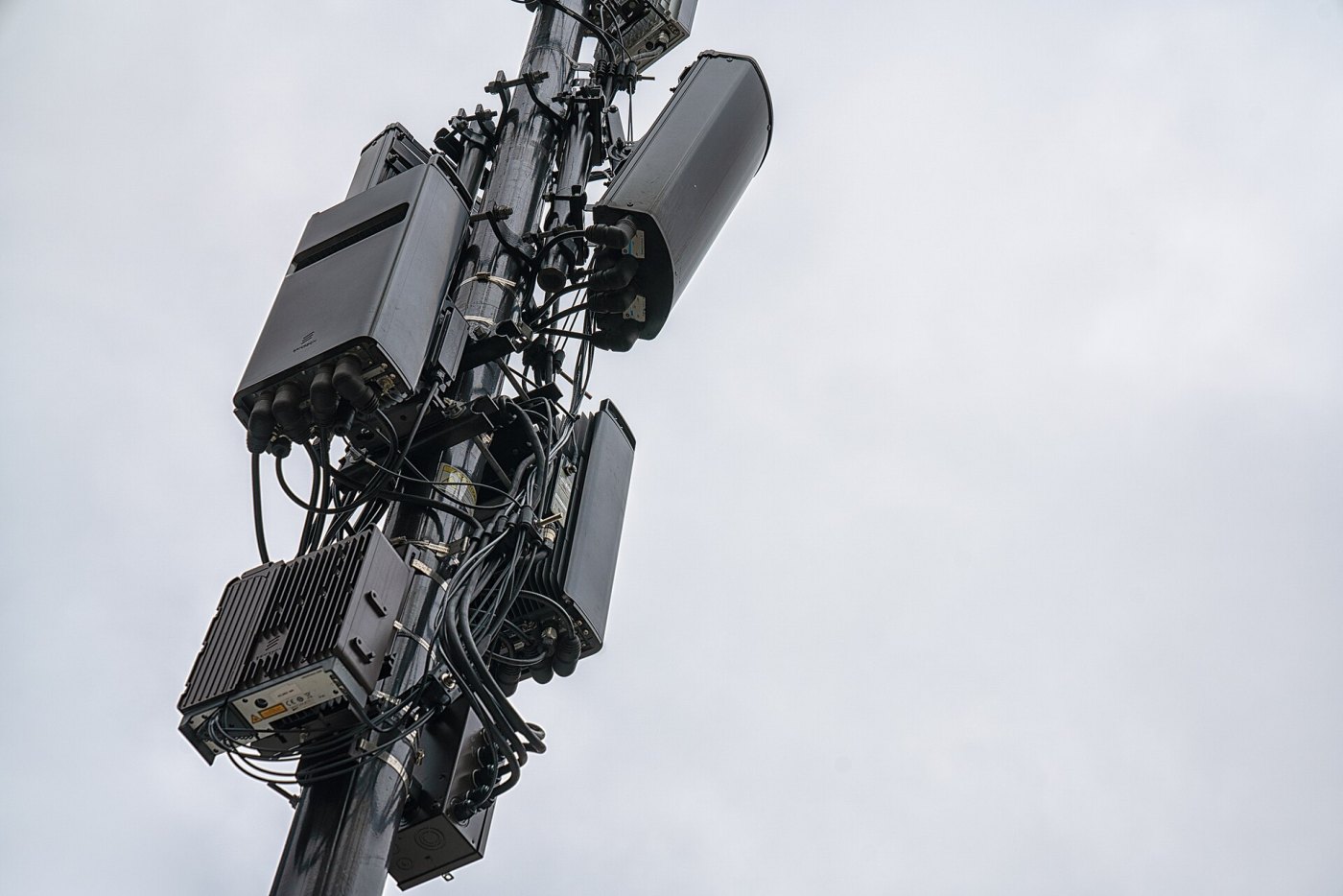
Cell tower owners often rent space to multiple wireless companies. When another company joins a tower, additional antennas and equipment may be installed. This can increase the amount of radiofrequency (RF) energy transmitted in the area, although the actual increase in exposure depends on the equipment, signal strength, antenna direction, and distance.
What Do Health Authorities Say?
The Federal Communications Commission (FCC) established its current RF exposure limits in 1996. These standards primarily protect against harmful heating of body tissue. Most mainstream health authorities maintain that exposure below established limits has not been shown to cause adverse health effects.
However, a growing body of scientists question whether these standards adequately address possible long-term effects that do not involve heating.
In 2021, a federal appeals court ruled that the FCC had not adequately explained its decision to retain its existing standards from 1996 in light of more recent scientific evidence and concerns about children and long-term exposure.
What Has Research Found?
Several studies have raised questions worth investigating:
* Laboratory research: Some experiments suggest RF exposure may contribute to cellular stress and other biological changes, such as breaks in DNA, systemic inflammation, and impairment of cellular antioxidant defenses and oxidative stress.
* Animal studies: Major studies in the United States and Italy found increased rates of certain rare tumors in male rats exposed to RF radiation.
* Community studies: Research in France, Egypt, Germany, and Israel has reported higher rates of certain symptoms or illnesses among some people living near cell towers. These symptoms include fatigue, headaches, sleep disruption, depression, memory loss, dizziness, increased neuropsychiatric symptoms, lower performance on cognitive/attention tests and increased level of cancer.
The findings from these more recent studies have largely been unacknowledged by both the cellular industry and the FCC.
The Bottom Line
Cell towers provide valuable communication services, especially in rural communities, however, convenience should not trump public health.
There is scientific evidence that raises questions about possible biological effects from RF exposure and these questions deserve answers. The Beacon believes that updated safety reviews, continued independent research, and greater transparency about cell tower emissions are reasonable steps toward protecting public health. Our communities deserve both reliable communication and confidence that the technology surrounding us has been thoroughly evaluated.